Portfolio

Project Image

Autonomous Navigation System and Applications for Micro Drones in Unknown Environments[2025]

Advisor: Prof. Jianshan Zhou

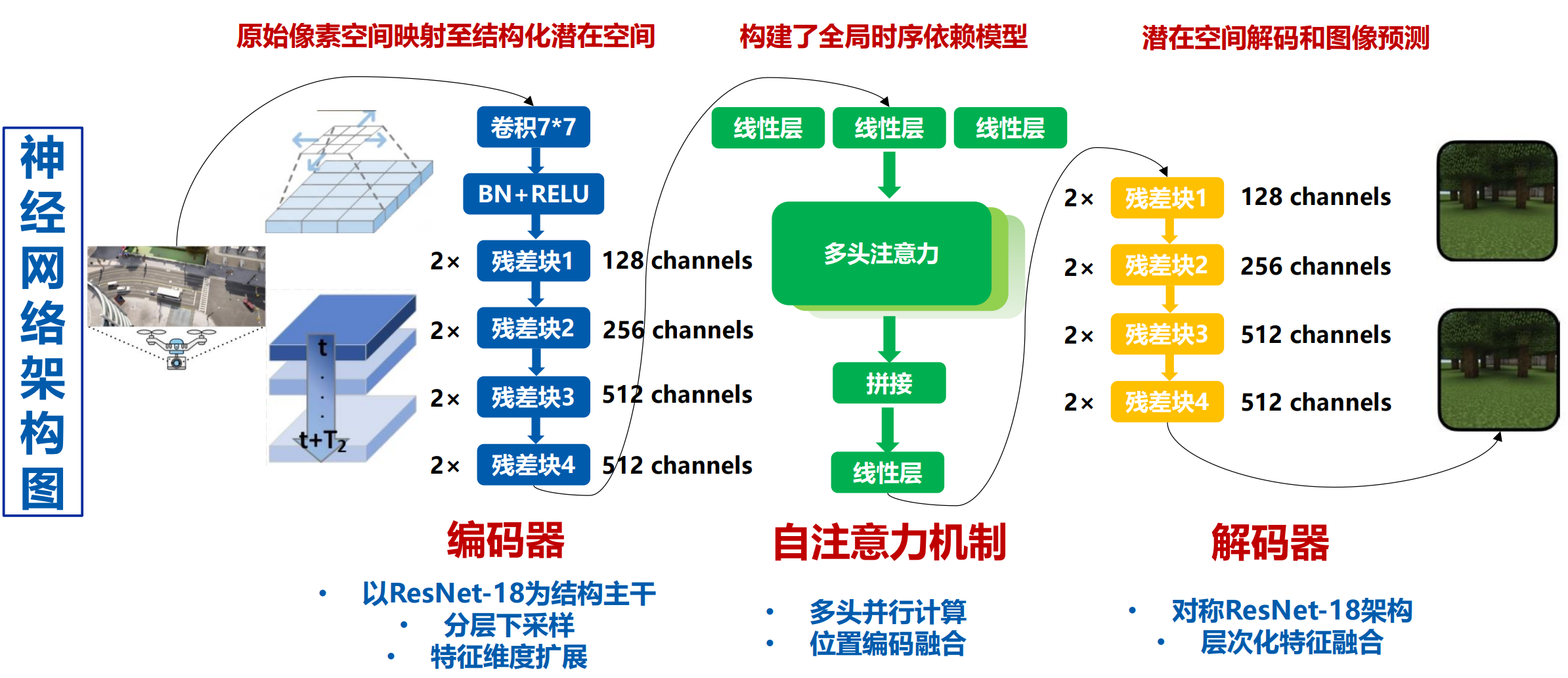
Project Details: We propose a perception navigation framework based on micro drones for complex enclosed spaces without GPS and with extremely limited computing resources, which solves the problems of large environmental spatial cognitive delay and low trajectory generation efficiency caused by limited computing power of traditional drones in extremely narrow environments. Finally, the safe autonomous flight of micro unmanned aerial vehicles in unknown and complex environments was achieved.
Project Image

Map Construction and Localization Based on A-LOAM LiDAR SLAM[2025]

Advisor: Prof. Haiyang Yu

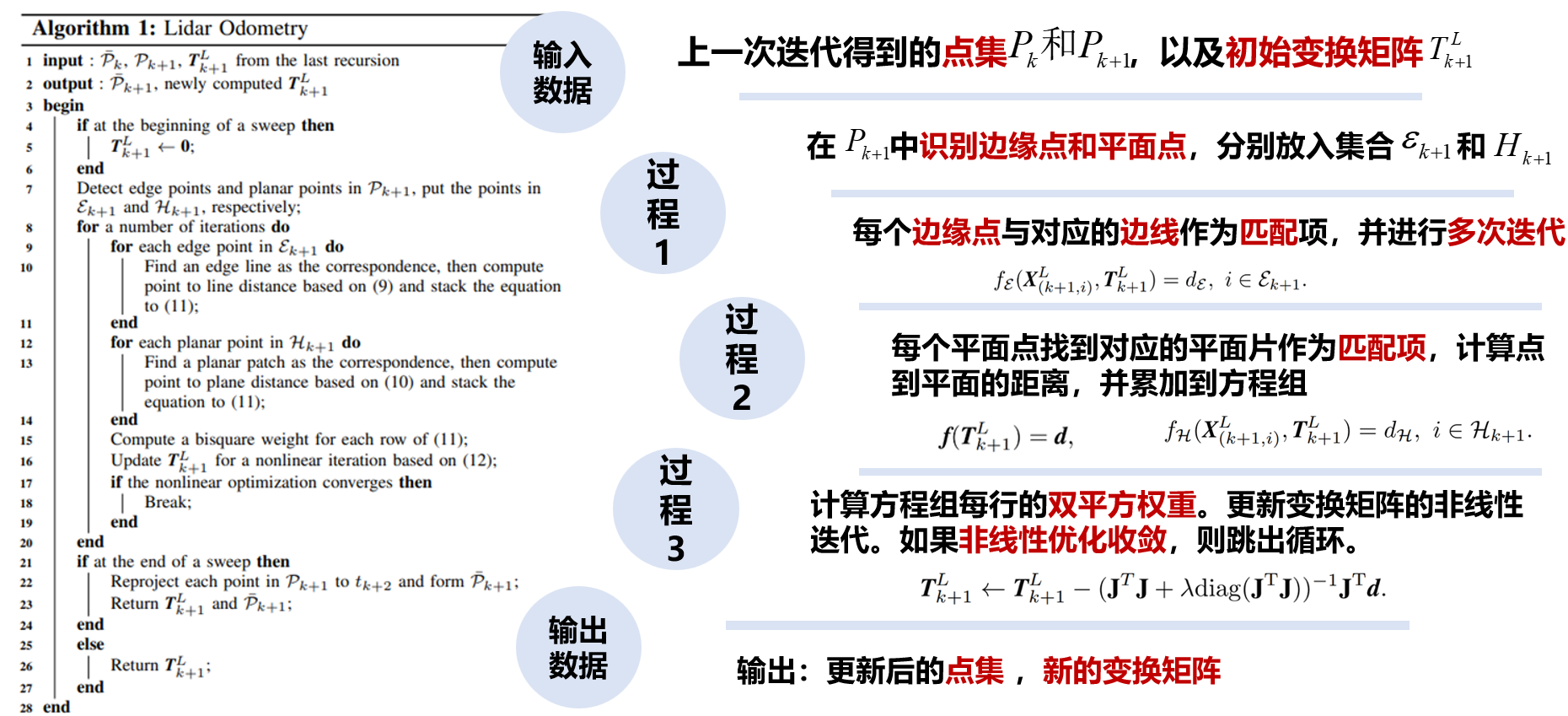
Project Details: We propose a laser radar perception positioning mapping scheme based on A-LOAM, which solves the problem of large accumulated errors and easy map construction failures caused by traditional algorithms running for a long time. Finally, by introducing loop detection for pose correction, the effect of improving real-time positioning accuracy and 3D map consistency of real vehicles in complex environments while maintaining low computational complexity was achieved.

Project Image

UAVFormer:Robust UAV 3D Object Detection via Camera-Aware Sampling[2026]

Advisor: Prof. Zhiyong Cui

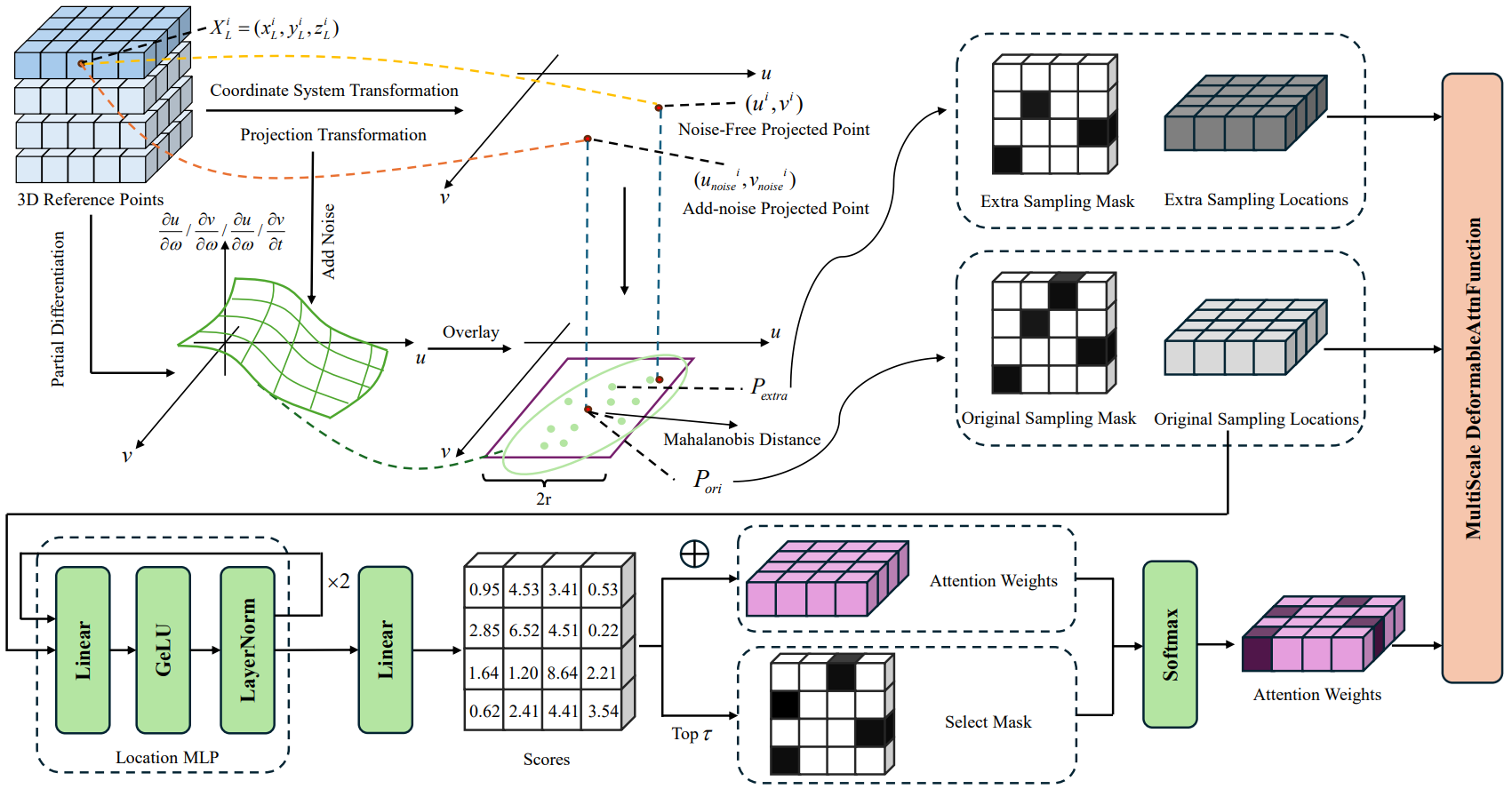
Project Details: We proposed UAVFormer, an extrinsic-robust multi-UAV 3D detection framework designed to address severe extrinsic noise and multi-view camera occlusion.The core innovation, a Camera-Aware Sampling (CAS) scheme, utilizes an EUGS module to counteract extrinsic projection deviations via Mahalanobis distance, and an LSA mechanism to reweight cross-camera points, effectively mitigating multi-view occlusion and achieving robust BEV perception.
[Code]

Project Image

Design of a New Stratospheric Dual Body Floating System[2023]

Advisor: Prof. Huafei Du

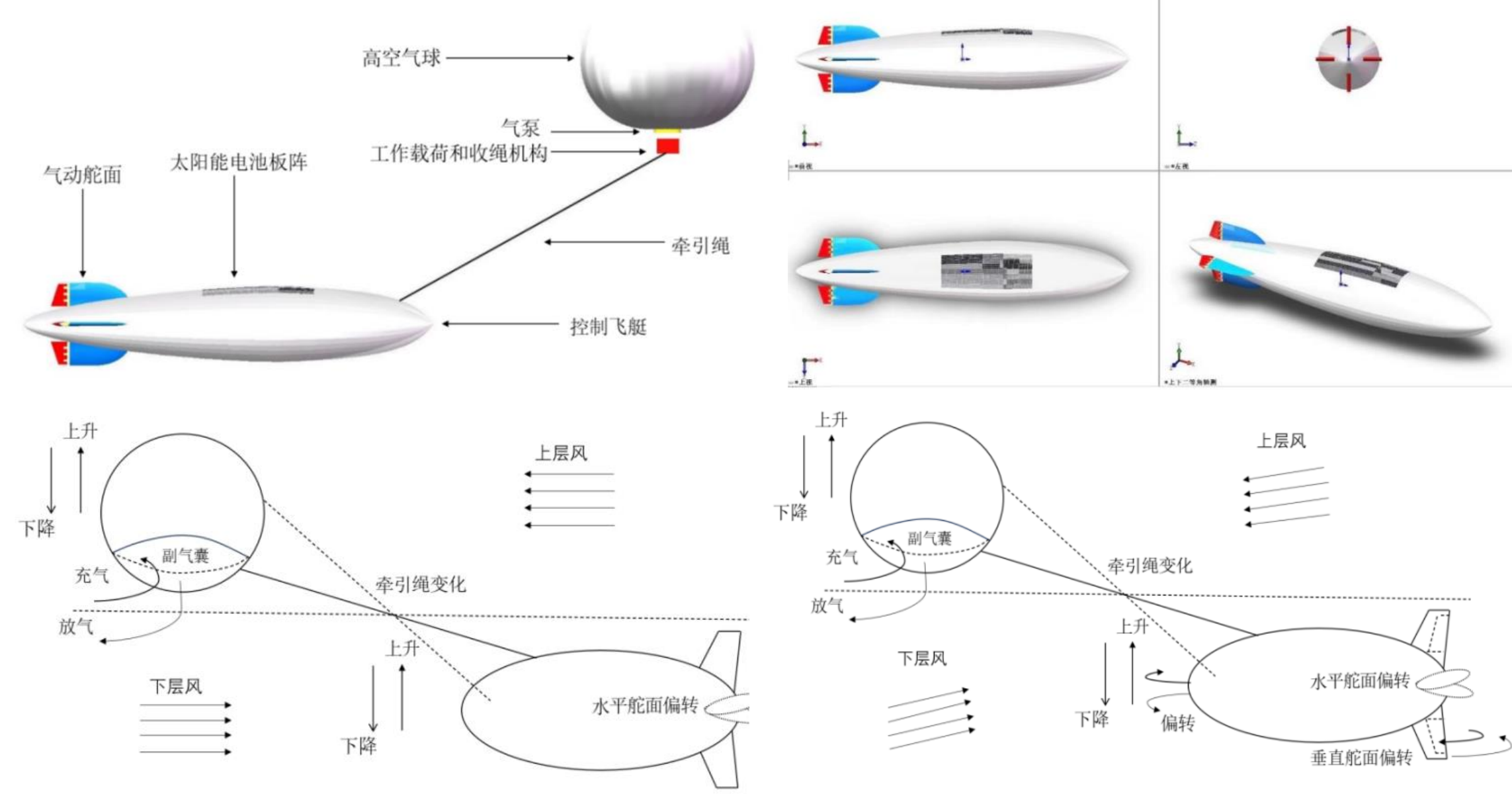
Project Details: We propose a novel stratospheric bipartite floating system scheme based on stratospheric airships, high-altitude balloons, and a series scheme. Solved the problems of insufficient air holding capacity of a single high-altitude balloon, high energy consumption and weight cost of stratospheric airships, as well as insensitivity, long adjustment time, and heavy structural weight of existing series or traction designs. Ultimately, active wind resistant flight was achieved by fully utilizing the characteristics of the nearby space wind field under low energy consumption conditions, thereby achieving efficient regional residency and controllable flight.